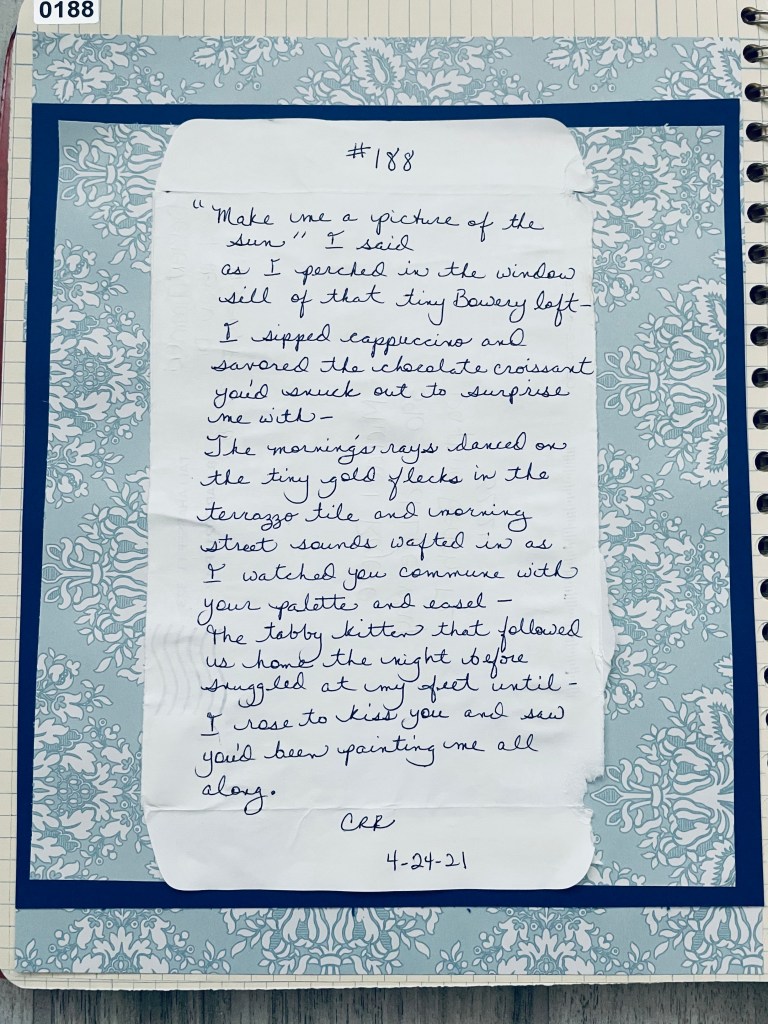
Emily must have written poem #188 while she was dreaming of sunshine and warmer days from her chilly bedroom in Amherst, Massachusetts. She seems to opt for skipping Fall and Winter altogether and staying warm while enjoying the life abundant in Spring and Summer. Here in my corner of the world, there’s usually no lack of warmth or sun, so on this beautiful April morning I breakfasted on my lanai and imagined this scene and the romance of discovering that you are considered someone’s sun.
Happy Saturday from Emily and I. May you enjoy and feel both the warmth of someone’s love and the Sun’s warmth, with plenty of sunscreen of course!
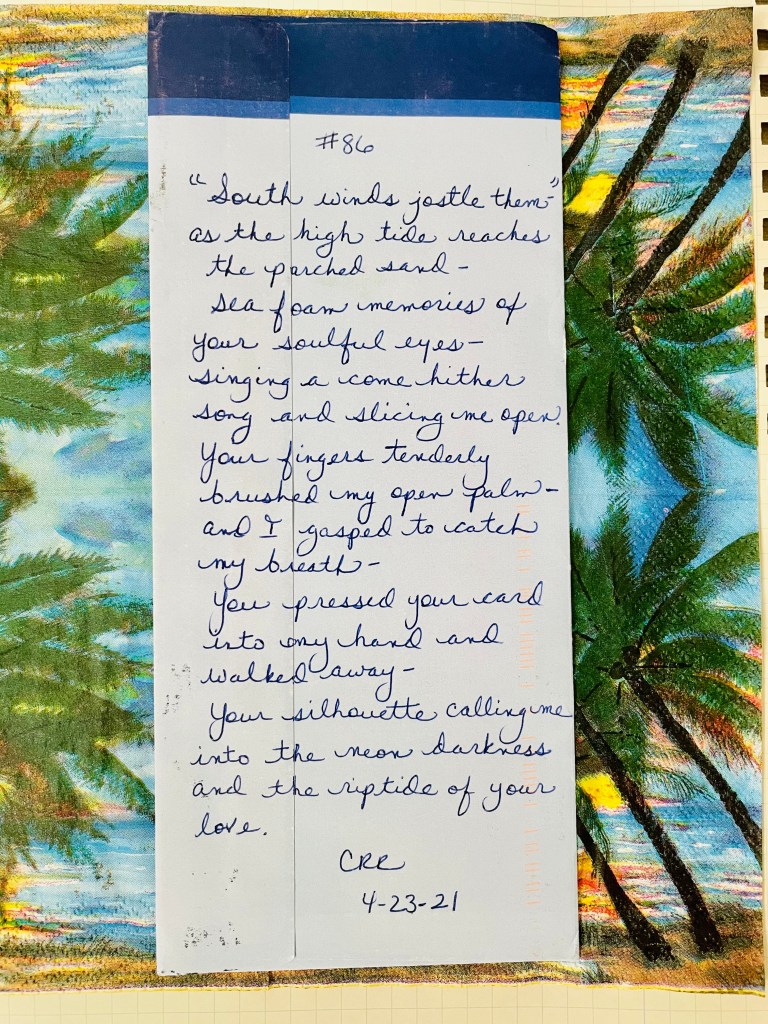
Certain places hold sensory and muscle memories, and bring special moments back to mind. The shore and ocean do that for me. As the tides move in and out twice each day, they bring forth and take away, reminding us that life does the same. Today, the first line of Emily’s poem #86 and the South winds blew the briny air and sent seafoam and memories of a past love, dancing across the sand and through my mind.
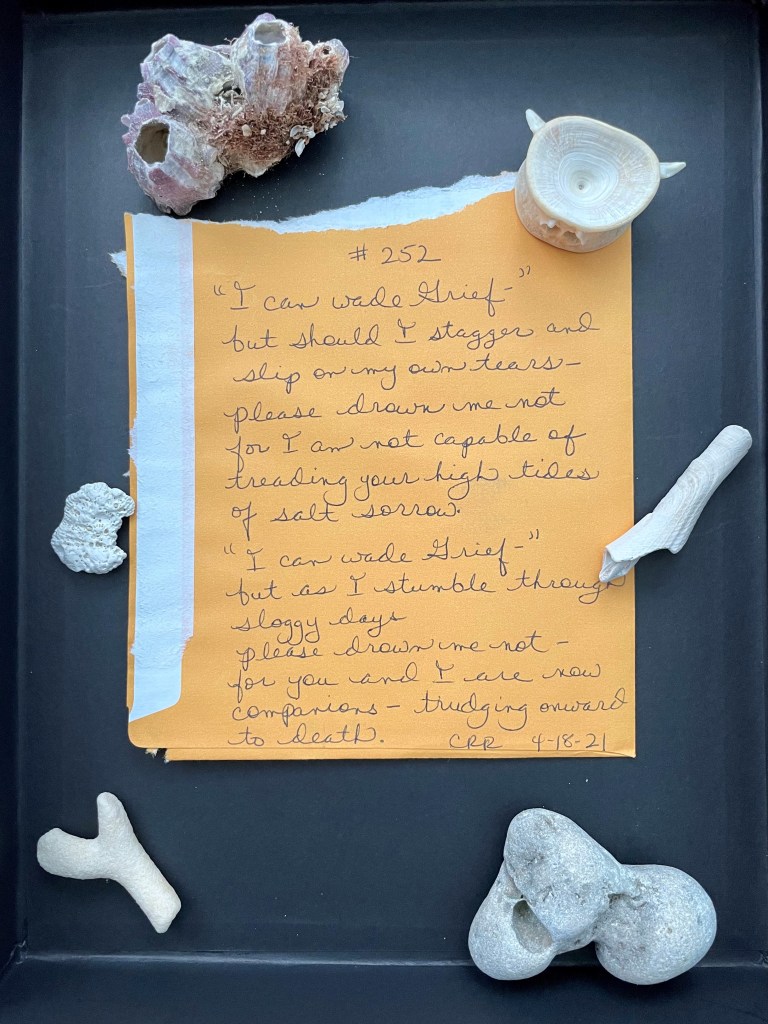
At this very moment, each of us is either grieving or knows someone who is. Grief isn’t just reserved for one type of situation, event, or loss. We may grieve the loss of a friendship, a job, a home or a loved one. Many of us have been grieving the loss of a way of life for the last 14 months. So much has changed since March 2020 that grief and loss have become our daily companions. The toll on our personal and collective mental health has been massive and the ramifications of this period will be felt for years to come.
There are days when we feel that swimming is impossible. And then all we can do is wade, and hope not to be taken under.
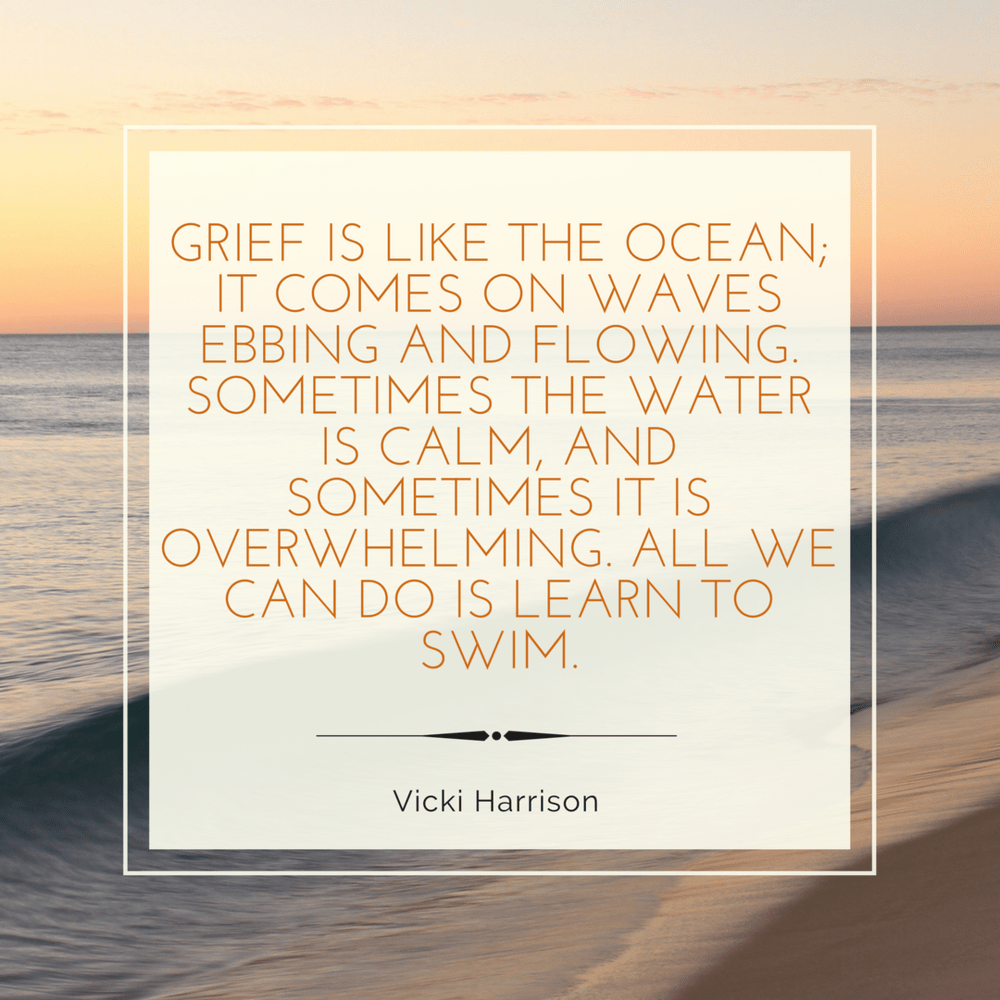
This quote about grief sums it up for me.
At this historic moment, as individuals, and as a country and a world, we wait for a verdict in the Derek Chauvin trial, and hope that we will not be drowned.
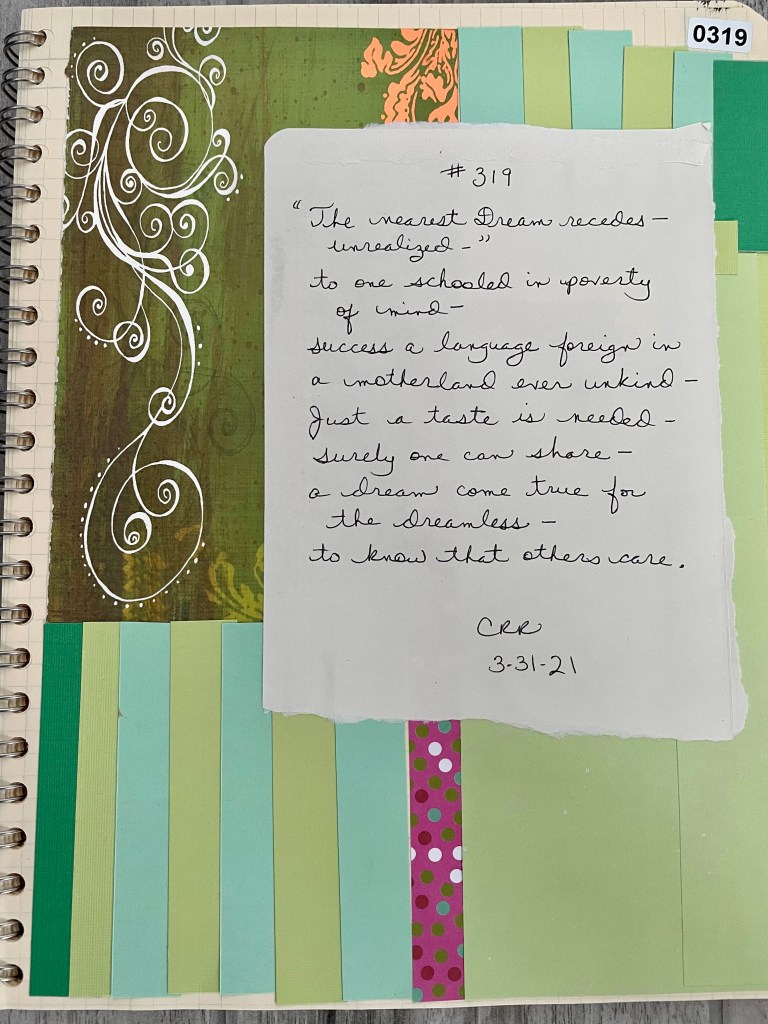
In 1862, poem #319 was one of the 4 poems Emily sent along with a letter to the famed Unitarian minister, abolitionist, and well-known literary critic, Thomas Higginson, in response to his article in the Atlantic Monthly, “Letter To A Young Contributor. ” The article gave advice to young writers and Emily responded with a question for Higginson, wanting to know if he “thought her verse was alive”. That letter was the first exchange in a correspondence that would go on for 23 years.
Everyone needs someone to believe in them. But having that doesn’t always spell success. That recipe is much more complicated, of course. For some, it’s hard to believe in themselves, because of the way they’ve been raised, or just because they’ve never seen or experienced success actually being realized in their corner of the world. They often just need a taste. A taste that tells them it’s real, and that they can have more if they keep working at it. I was reminded of some of my students who struggled in much the same way. So I wrote this Carol and Emily poem…
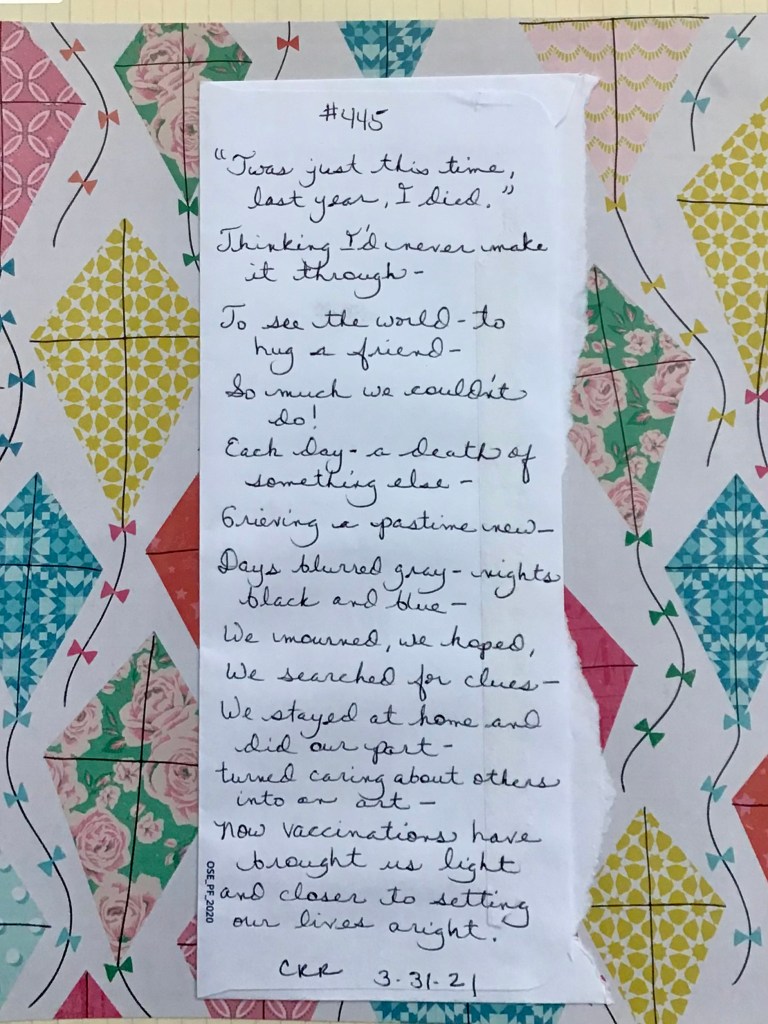
Of course not literally, but with all the angst I had as a teenager, I spent the majority of my waking hours wondering how we were going to survive the lockdown, quarantine, toilet paper shortage, and general malaise that the Covid-19 virus brought to our lives.
Once again, I was wrong. My husband deserves all the credit for carrying the weight of everything for the first few months until I rose from my funk and started to fully function again. And here we are, over a year later. Many of us are vaccinated and we’re all eager to travel and visit family and hug everyone! There’s so much we’ve all missed. And oh so many who will forever be missing loved ones who died from complications of Covid-19.
The vaccinations have brought us light and hope. Next week, I’m going to get to visit my daughter and grandson for the first time in over 13 months. Believe me, I’m going to hug them for a very long time. We’re so close to managing this. But we’re not there yet. Let’s all be smart. Wear our masks. Get vaccinated. Stay safe.
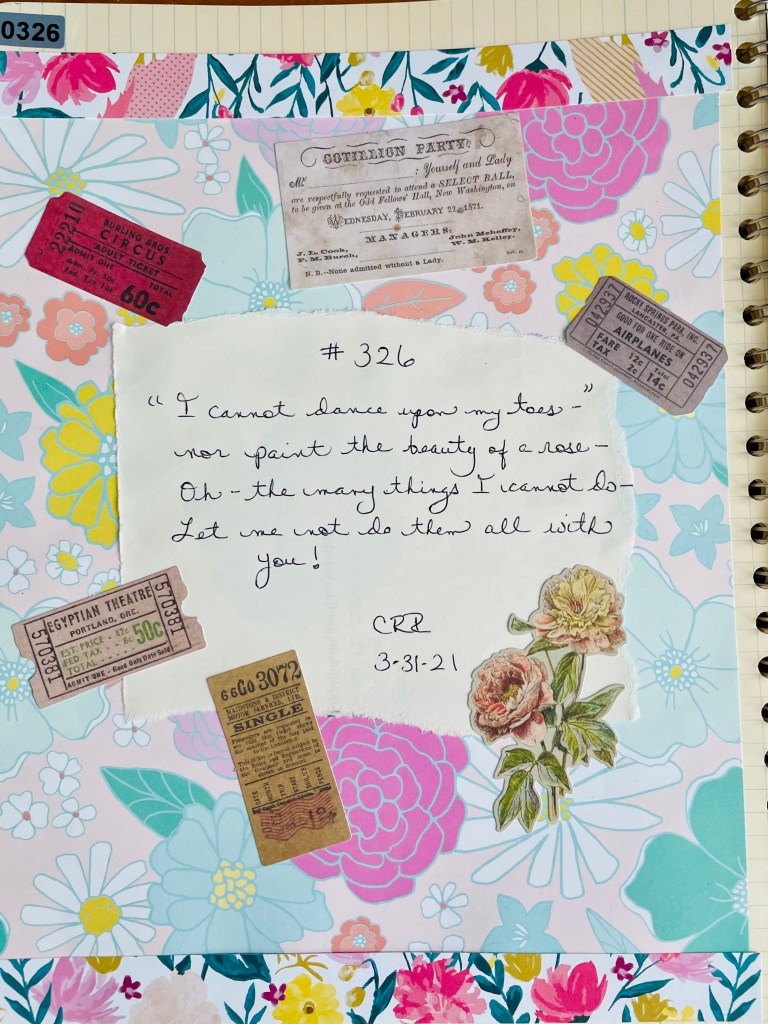
I took ballet for one short season, thinking it was something I might be good at. I was 100% wrong. There’s really not much more to the story. Like Emily, I admire the ability and the beauty of those who can dance, but it wasn’t for me. In her poem, she suggests that her simplistic, solitary lifestyle brings her as much joy as she imagines a ballet dancer has, lithely spinning and jumping so beautifully and gracefully across the stage.
Emily and I share a disdain for societal expectations of what a woman should say, do, or be. For me the only answer is anything she damn well pleases. Emily didn’t want to do any of the typical “normal” things women of her day were expected to do. She is said to have found hosting/entertaining and small talk painful and most especially didn’t want to become a wife. In a letter to her friend from school, Abiah Root, she wrote “God keep me from being a householder.”
This poem started a couple of different ways, listing things I could and couldn’t do, but ended up just being a fun little flirty poem directed at a love interest.
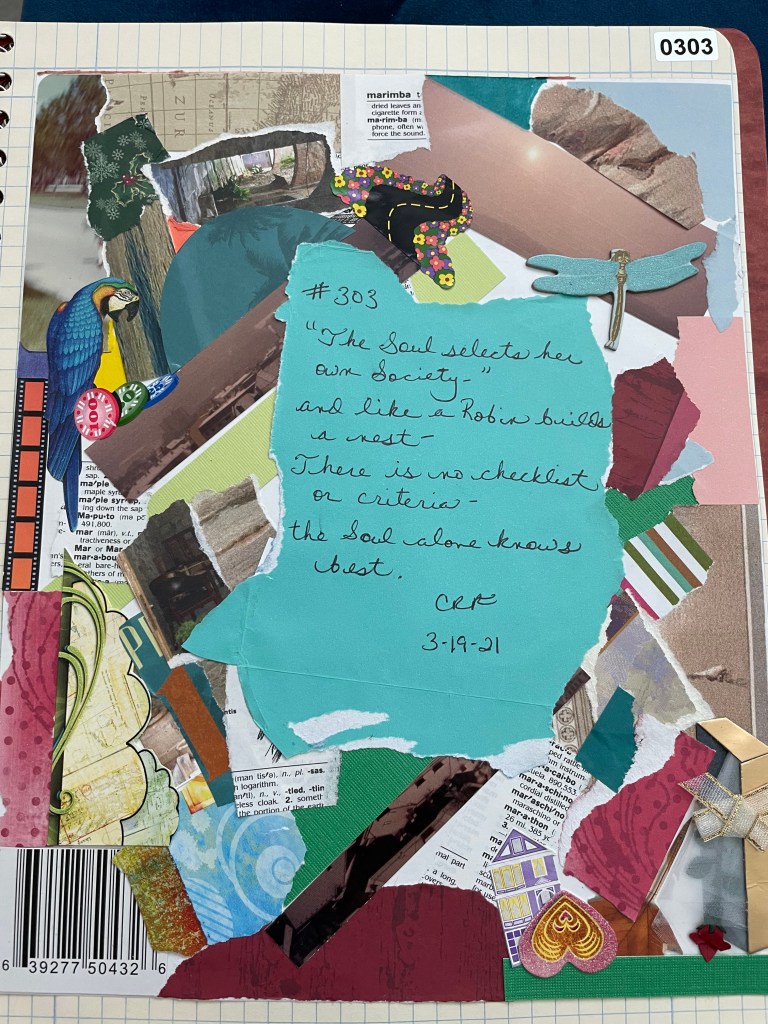
Emily Dickinson didn’t shy away from the big subjects in her poetry. Human nature, self identity, religion, death and the dualistic nature of our existence (body and soul) come up frequently. Spending so much time alone seems to have given her the opportunity to be very in touch with her inner self. In her poem #303, she declares that the soul chooses who it lets in that inner circle of self and that no outside entity, man or institution, should have that power. I wholeheartedly agree.
In his book titled Anam Cara : A Book of Celtic Wisdom, the late Irish poet and philosopher John O’Donohue wrote about the ancient Gaelic term “anam cara”, which means “soul friend”. When we really connect with people, somehow we just know that we were meant to cross paths. We can feel it deep inside, in our soul. We call these people our soulmates, our best friends, our forever friends. Neither time nor distance seem to weaken the bond we share with them. We can be our truest, mask-less selves with these people and they do not desert us, ever. Like a robin builds a nest for her babies, soul friends offer a soft place for the other to land.
I would be embarrassed to tell you how many times it took me to learn this lesson. And it wasn’t just as a child. For some genetically ingrained reason, I have always chosen to learn the hard way.
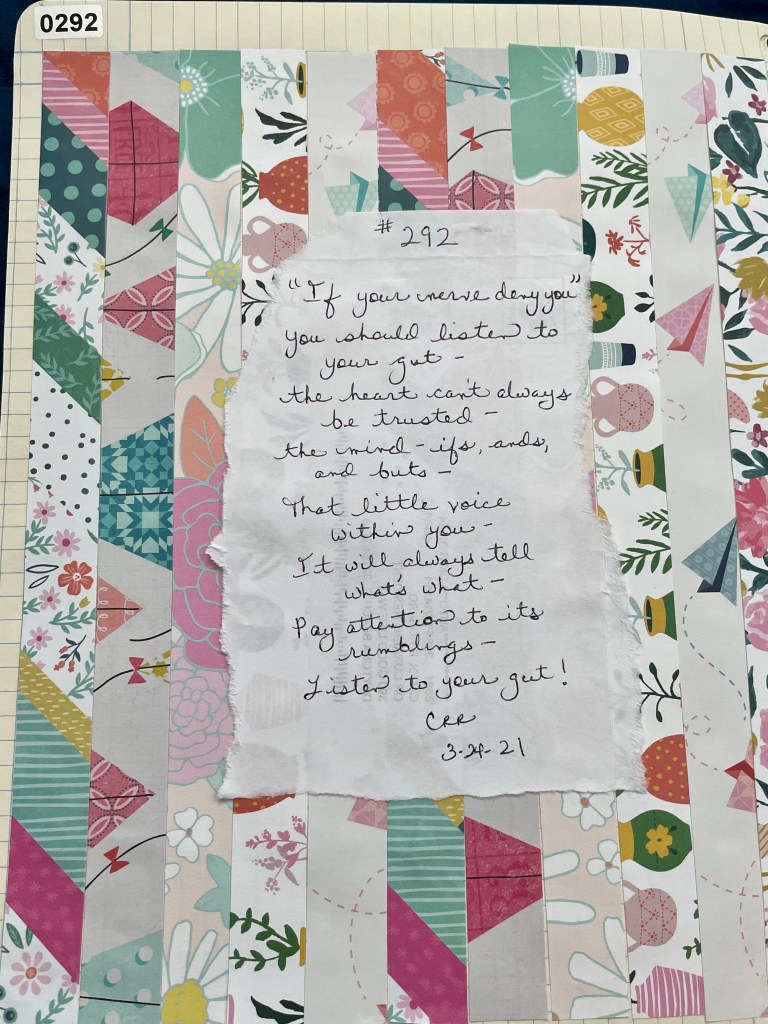
Emily’s poem #292 begins with “If your nerve deny you.” I believe she goes on to say that we should send fear packing. Tell it to go lean on a grave. Death is waiting for all of us, but we must live in the meantime and nourish our souls.
My nerve has denied me on multiple occasions. I’ve been afraid to do quite a few things in my life. To speak in front of groups without my heart palpitating out of my chest took years. When I went skydiving ,I had to be bumped out by the instructor. It ended up being one of the most amazing experiences of my life. Sometimes pride interceded, and said I could not let myself fail at this, sometimes foolishness stepped in and said aww, come on, do it- it’ll be fine, sometimes my heart said yes when it should have said no, and sometimes my mind overthought the situation so much that a chance was missed. And then there were the times I listened to my gut. When it told me to turn away, slow the roll, dive in or take the leap. My gut has never steered me wrong, but I didn’t always listen to it, and that took me naked, down some brambly ass paths.
Here’s to all of us paying attention to that little voice inside our gut, the one that says hey you, this is not good for you or yes, that is good for you, stay off this brambly ass path, or you’ll be fine, just wear some protective clothing!
In the mid 1800’s, there was a deadly civil war and multiple waves of Cholera and Scarlet Fever in the United States, but not any pandemics as great as the one we are dealing with now.
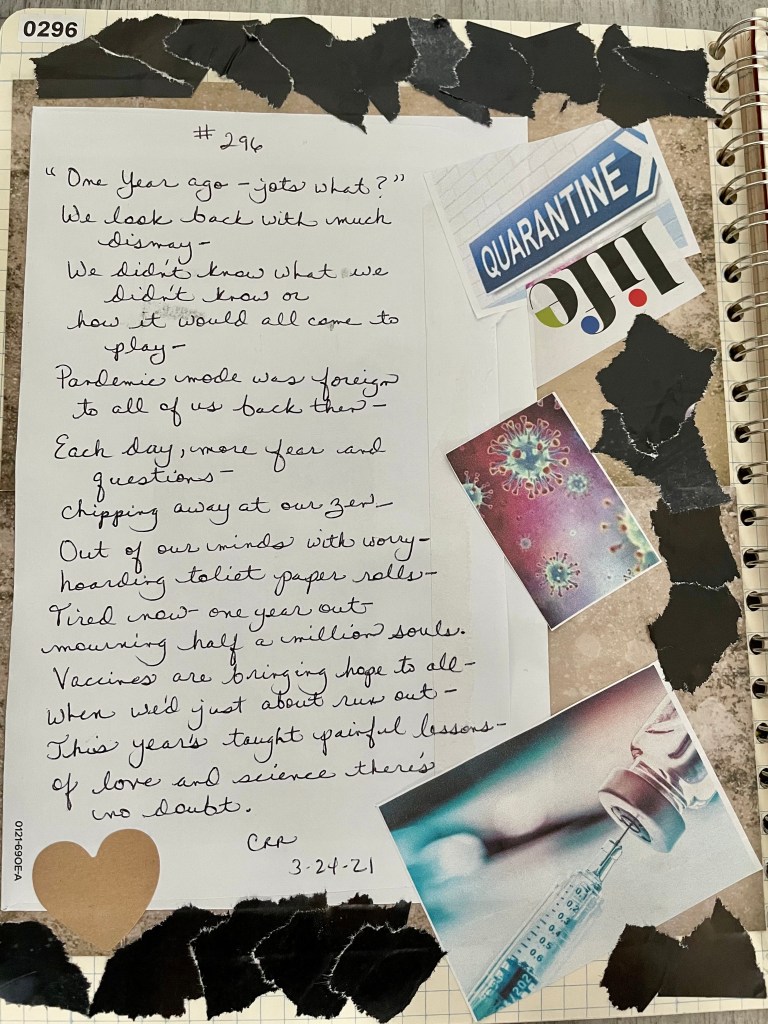
If you’ve been following me, you’ve heard me mention before that many of Emily’s poems have themes of loss and death. At the beginning of the current pandemic I couldn’t even write, couldn’t “jot” one word. I was literally frozen with fear and an overwhelming sense of loss and despair. We took the situation very seriously and really did stay home unless it was absolutely necessary to go out. For three months, my husband tried to make me laugh as he watched me sit and wallow in sadness. That’s when I picked up Emily Dickinson again. As Professor Elizabeth Sagaser of Colby College says in her essay on DIckinson: “As the coronavirus pandemic rages on, Dickinson’s poems of loss and longing can be good company.” For me, that was true and I slowly started pulling myself out of my funk.
I also had to start packing for our move, so out of necessity, was forced to get my act together.
Americans, and the world, watched the Covid-19 case numbers and deaths tick higher and higher each day. We mourned the lost lives of so many friends and loved ones and watched helplessly as the virus took its toll on everyone, young and old. We also witnessed many incredible acts of kindness and gained fresh perspectives and new appreciation for everything we’d taken for granted. Yes, we all needed toilet paper and disinfectants, but most of all, we found we needed our loved ones.
And Science. We needed Science, because you can’t just make up stuff or ignore it and end a pandemic.
And Science is coming through for us now. I just received my second and final Covid-19 Vaccine today, so I feel a renewed sense of hope. I’ve talked to others who feel the same. It’s not over yet, but we can finally see a light at the end of the long dark tunnel we’ve been hunkered down in.
Today’s Carol and Emily poem is about this past year and where we are today, thanks to Love and Science.
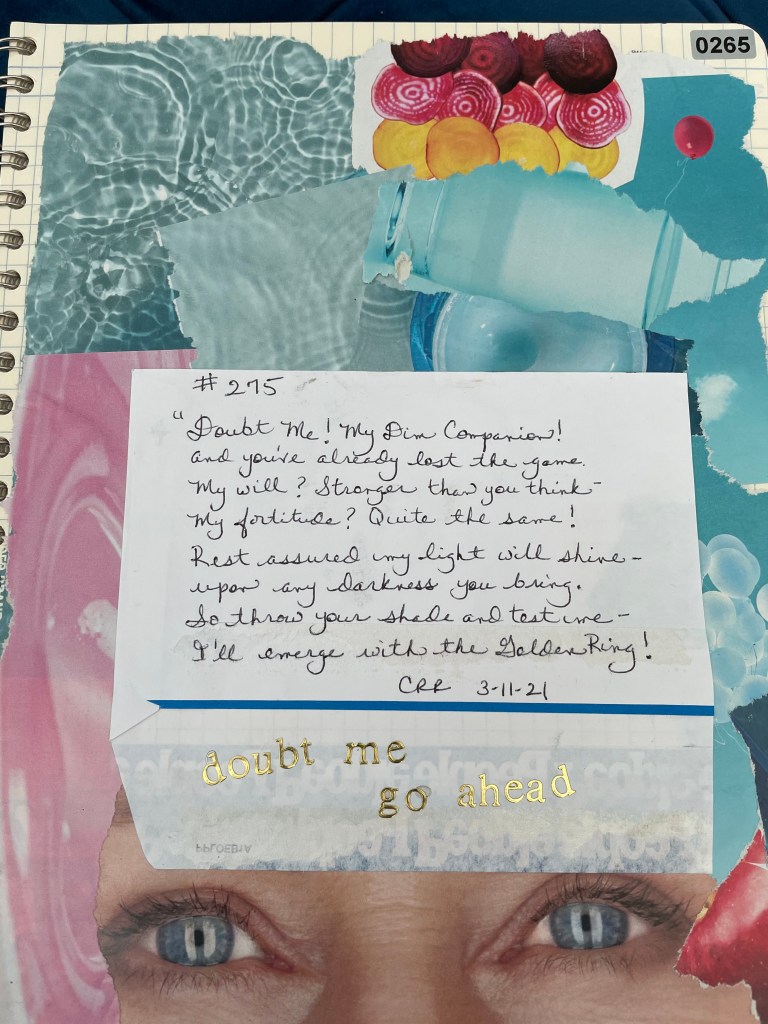
If you research analysis of Emily’s poem #275, you’ll find many in agreement that she is thought to be addressing a “love interest” and declaring that he should not doubt her feelings, her love for him. It’s somewhat hard for us to reconcile her speaking such words because although she maintained correspondence with several men, there is no proof that she actually consummated any of those relationships or took them any farther than the intimacy in her correspondence.
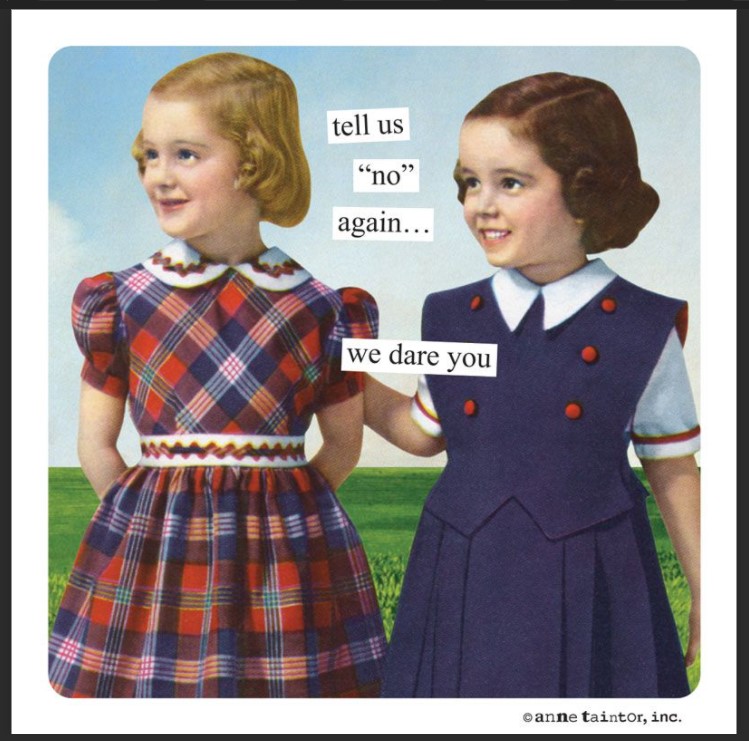
I have this thing about being doubted. I’m going to do everything in my power to show you why you shouldn’t have doubted me. A bit competitive, a bit of a rebel, I just have never liked being told I can’t compete, achieve, or do something I believe I can do. Believe me when I say there are a lot of things I can’t do anymore, or would never want to do, but you’d do well to believe that if I put my mind to something, you shouldn’t stand in my way. I hope I’ve instilled that same fight in my children and grands.
Written in a voice filled with confidence and the strength of a Mama Bear out to protect or provide for her cubs, today’s Carol and Emily poem challenges any dim companion that doesn’t heed that advice.

 The Carol and Emily Project